“Hybrid finance” is everywhere in payments right now, and almost nobody means the same thing by it. Ask five people to define it and you'll get five different answers: blended debt structures to the lending crowd, "TradFi and DeFi converging" to everyone else, phrases that sound like definitions without actually being one. None of it tells a CFO what to build, or what this actually means for their business.
That lending and capital markets meaning exists, but it's not what we mean here. If you've spent years around mezzanine debt or convertible instruments, seeing “hybrid finance” used for a payments platform is going to feel a bit off. Worth saying upfront: this is a different conversation entirely.
So let's actually define it.
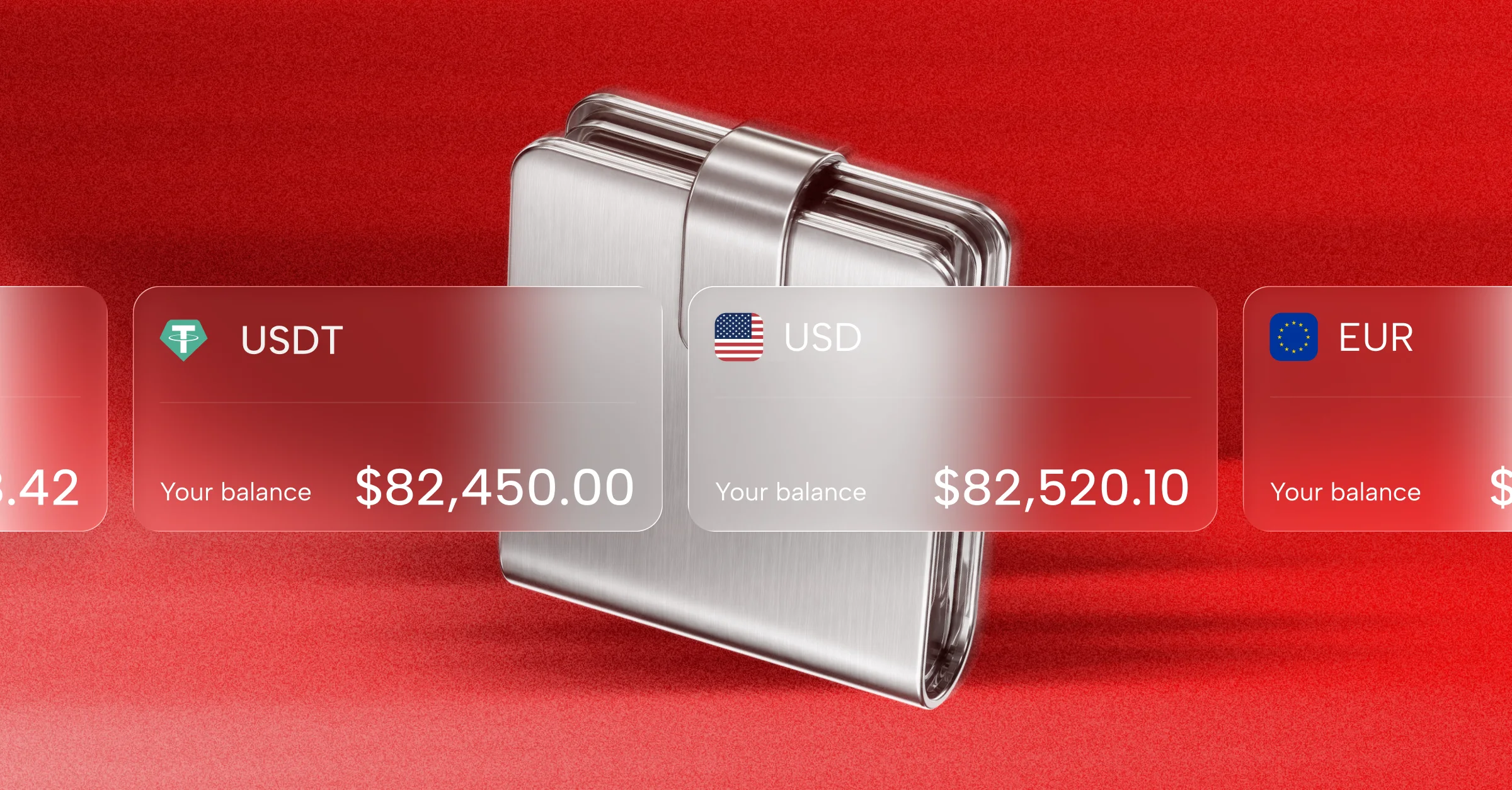
At Sokin, we define Hybrid Finance as one operating model for fiat and stablecoins, allowing businesses to hold, convert and move both through a single regulated financial platform. Not two separate accounts a finance team has to manage and reconcile by hand. And not a digital currency product bolted onto a payments company's existing rails to look current. One ledger, two kinds of balances, and one set of controls.
The reason this needs a sharper definition than a “blend of old and new” is that the two systems that it combines are genuinely different. Traditional finance models still do things digital currencies can't: local currency delivery into almost any country's banking system, bring the backing of decades of regulatory relationships and years of being held to the same audit standard. Digital currencies do things traditional finance structurally can't: settlement at 3am on a Sunday, programmable transfers, costs that don't multiply with every extra correspondent bank in the chain.
Neither side is going to absorb the other, and for finance teams, that's not really the question anyway. It isn't whether traditional or digital finance wins. It's how to use the strengths of both without adding another provider, workflow or layer of complexity. For a finance team managing an importer's supplier payments, that looks like one less FX exposure to explain at the next board meeting and one less overseas payment sitting in a reconciliation queue. For a payroll platform's finance function, it's not a lecture on blockchain; it's Friday's contractor payment landing by Saturday without a treasury analyst chasing it down. Hybrid finance, done properly, is invisible to the customer and quietly lighter on the finance team running it.
This matters more right now than it did even a year ago. Cross-border payments are a $200 trillion market heading toward $300 trillion by 2030. Global businesses increasingly operate around the clock, but the infrastructure moving their money doesn't always do the same. Hybrid Finance creates another route: businesses can use traditional rails where they work best and stablecoin rails where speed, availability or efficiency make them better suited.
We're building Hybrid Finance into Sokin because businesses shouldn't need separate infrastructure for traditional and digital money. One platform gives finance teams access to fiat and stablecoins through a single operating environment, so they can move between the two without adding another provider or crypto stack to manage.
This blog covers the basics of what that means. Our Hybrid Finance Manifesto goes a bit further. It gets into how one platform can hold and move both kinds of money without a finance team ever touching a crypto wallet, how idle treasury cash can start earning yield instead of just sitting there, and what changes once payments start moving at machine speed.
Read the full manifesto here.