





Business payments don't have to be complicated
Try Sokin and see for yourself

Discover how Sokin’s no-subscription model lets you earn on your balances and saves you money compared to Payoneer.
%201.svg)



Bypass restrictive USD and EUR limits. Manage global settlements in like-for-like currencies to simplify reconciliation.

Earn up to 3.5% AER on GBP, EUR, and USD balances; put your working capital to work.

Clear communications and quick resolutions through real people; to ensure your account is never in the way of business.
Sokin is designed for finance teams that value clarity, control, and consistency in their global operations. With transparent FX, no monthly fees, multi-currency accounts, and predictable payment costs, Sokin helps businesses budget confidently, streamline cross-border transfers, and scale without complexity.

Every global payments partner offers something different. Explore our comprehensive blog to ensure you have the agility and reach your business demands.
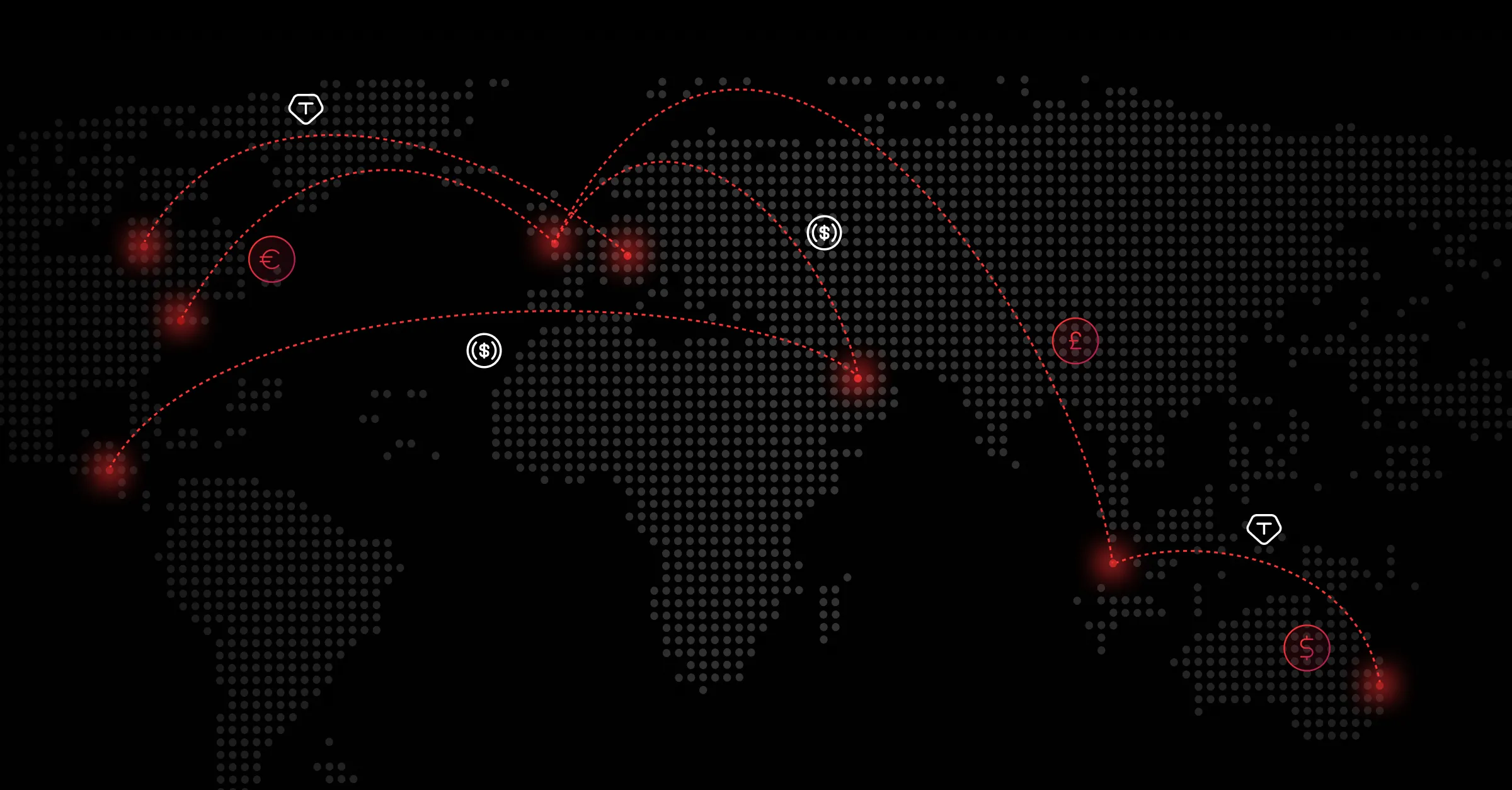
Enjoy the best of business banking through one easy portal





































payout currencies
Countries you can send to
payment volume processed

Receive funds in 26 currency accounts across local and multi-currency accounts.
Send fast international payments to over 170 countries in 70+ currencies.
Switch on your Boost to earn upto 3.5% AER on unlimited USD, EUR and GBP balances.
Ecommerce payment gateway that supports your domestic & international customer base.
Connect directly with your existing ERP and accounting platforms to fuel efficiency.
Payoneer accounts are usually free to open, but there's a $29.95 annual fee if your account receives less than $2,000 per year. Sokin never charges an account opening or any annual fee.
Sign up on Payoneer's website as a business, complete the verification process, and then request local receiving accounts in your chosen currencies. You can get accounts in 9+ currencies, with Sokin you can get account details in up to 26 currencies.
Fees vary by method and country: receiving is often free or ~1%, converting between balances is 0.5% over the real‑time rate, bank withdrawals can be up to 3%, and card FX is up to 3.5%.
Yes—Payoneer is regulated (FinCEN‑registered MSB in the U.S., FCA‑authorised in the UK, and licensed by the Central Bank of Ireland in the EEA), safeguards customer funds separately from company funds, and protects accounts with controls like 2‑step verification and PCI‑DSS security.